A founder bio is the paragraph other people use to introduce you. A conference program prints it, a podcast host reads it aloud, a reporter lifts a sentence from it, and a search engine compares it with every other description of you it can find. You rarely see it being used, which is why most founders write it once, in a hurry, and never look at it again.
I keep four approved versions on my press kit, at 25, 50, 100 and 200 words, and I ask that they be used as written. This is how I would write a set for any founder, what each length is for, and the mistakes that make a bio quietly work against you.
What a founder bio is actually for
Most bio advice treats it as self promotion. That is the wrong job. A bio is a reference document. Its reader is usually someone who has already decided to feature you and now needs to describe you accurately without calling you first.
That changes what good looks like. A good bio is easy to copy, impossible to misread and safe to quote. Every sentence should survive being lifted out on its own, because it will be. If one line only makes sense next to the line before it, an editor will cut it badly.
It also changes the tone. Write in the third person, with your full name in the first sentence. The person using it is speaking about you, not as you, and a first person bio forces them to rewrite it, which is exactly the moment errors creep in.
Start with one sentence you will repeat everywhere
Before you write any bio, write the one line description. Mine is on the press kit with a copy button next to it: who I am, the company I run, and the recognition a stranger can check, in a single sentence.
That sentence becomes the opening of every longer version, your LinkedIn headline, your speaker introduction and your author box. Repeating it word for word feels unimaginative. It is the point. Search engines and editors build their picture of a person by comparing sources, and identical wording across your own site, your profiles and third party pages is the strongest signal you can send that they all describe the same person. I go deeper on that mechanism in entity SEO and knowledge panels.
A useful test: if your one line could describe two other founders in your industry, it is not specific enough. Name the company. Name the category. Name the one credential a stranger could verify.
The four lengths, and what each one is for
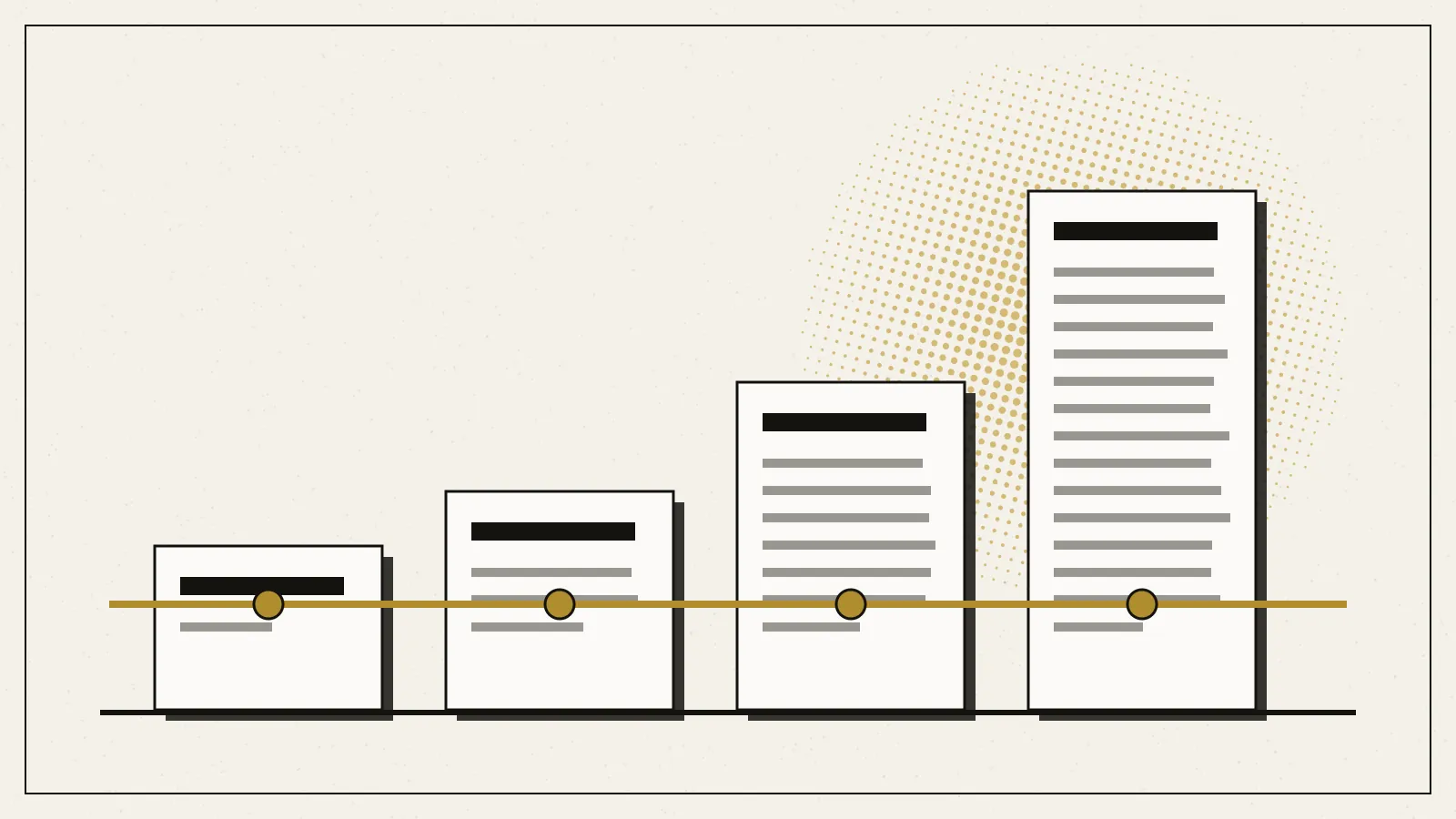
Different placements have different space, and if you do not supply the right length, someone will cut your long version down for you. They will cut the wrong thing.
25 words. Captions, panel lists, author boxes and social bios. Name, role, company and one verifiable credential.
50 words. Event programs, podcast introductions and guest post bylines. Add what the company does and the story you are known for.
100 words. Speaker pages, award entries and magazine sidebars. Add where you come from, a timeline and named work.
200 words. Press kits, long features and introductions read aloud. Add context, books, languages and the full arc.
Here is how mine are built, length by length, so you can see the structure rather than just the result.
The 25 word version names me, describes me as a Syrian American entrepreneur and author, gives my role as CEO of X Network, and closes with the Forbes 30 Under 30 listing in Marketing and Advertising. Four facts. No adjectives. Nothing a caption writer would need to check twice.
The 50 word version keeps that opening and adds two things: what X Network actually does (SEO and paid media) and the story I am most often asked about, the self funded billboard campaign that Wikipedia credits in its account of the federal recognition of National Arab American Heritage Month. It also adds the year of the Forbes listing, 2022, and that I was the youngest honoree in my class.
The 100 word version adds where I come from (born in Latakia, raised in Curaçao, settled in Florida), the year I founded the company, 2017, and named brands from our campaign work. It also gives the date the State Department issued its proclamation, 1 April 2021, because a dated fact is easier to check than an undated one.
The 200 word version adds the books, the Entrepreneur contributor role, the TEDxUSF talk, the podcast and the four languages I speak.
The rule that holds the set together
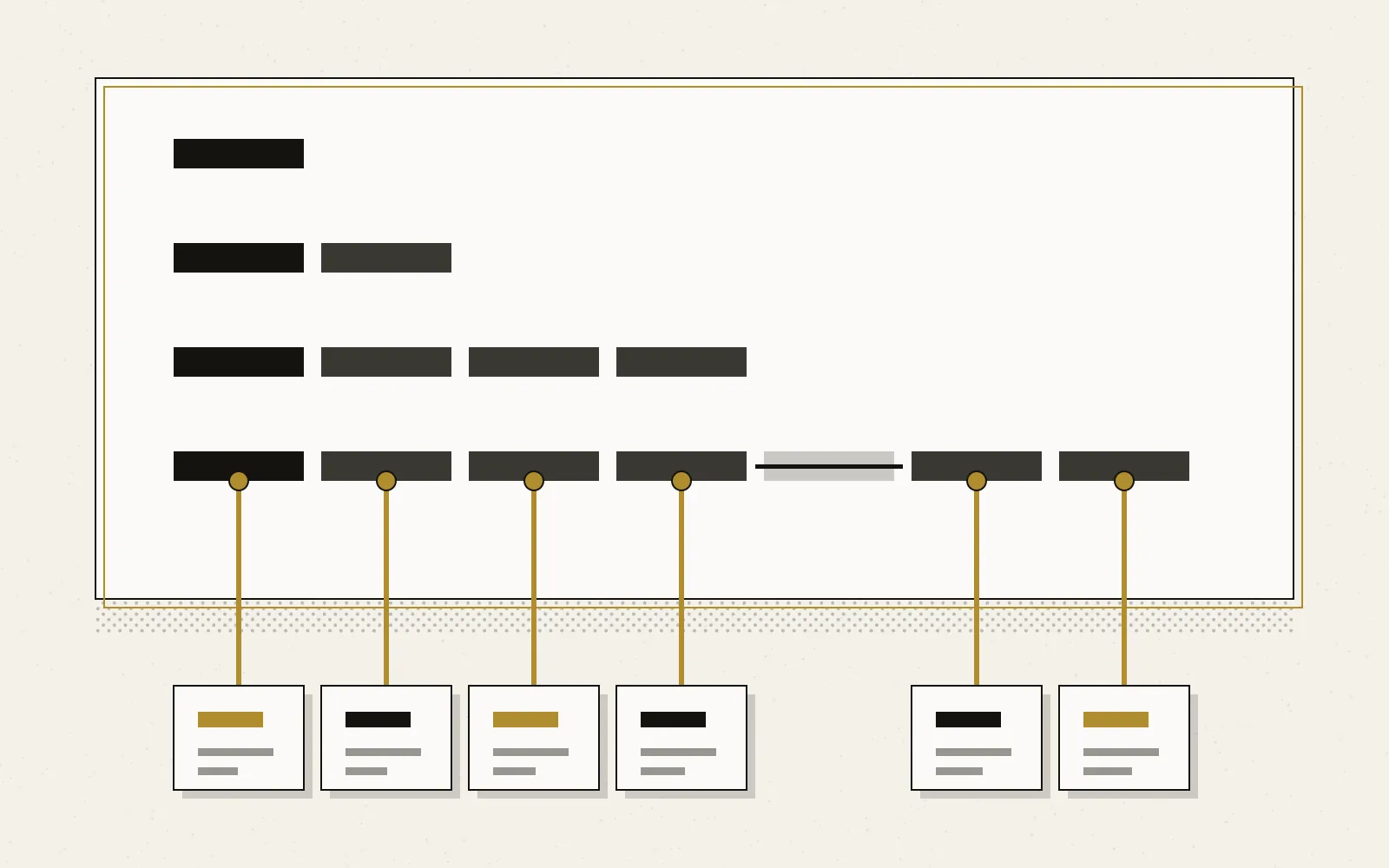
Every shorter version must be the longer version with detail removed. Never a different story, never a different title, never a rounded number that becomes a bigger rounded number at the next length.
This sounds obvious until you compare the bios most founders actually have in circulation. The LinkedIn summary says founder, the conference page says CEO, the podcast intro says serial entrepreneur, and the company count goes up by one every time someone paraphrases. None of these is a lie. Together they look careless, and to a fact checker, careless and inflated look the same.
The fix is mechanical. Write the 200 word version first, from documents. Then delete your way down. When you reach 25 words, every word left should be a word that appears in the 200 word version.
Every fact must be something you can document
Length is where inflation creeps in, because there is room for it. A 25 word bio has no space for anything soft. A 200 word bio does, and that is where a certificate course becomes an alumni claim, an independent council becomes an official body, and a quote nobody can find gets a famous masthead attached to it.
Before any fact goes into any length, ask one question: if a journalist asked me for the source tomorrow, what would I send? If the answer is a link you do not control, keep it. If the answer is your own announcement, think hard. If there is no answer, cut it.
My site enforces this in code. The credentials on the press kit come from a single claim record, and anything marked unverified can never reach the page. You do not need code to do the same thing. A spreadsheet with three columns, claim, evidence link and date checked, does the job. The section on credentials in press kit for founders explains why the weakest claim in your bio is the one that gets tested first, and pay to play awards covers the recognition that looks impressive in a bio and costs you credibility the moment someone searches it.
Words that make a bio weaker
Superlatives you cannot source. Visionary, renowned, leading, award winning. If a third party said it in print, quote them and link it. If not, delete it.
Vague scale. "Worked with hundreds of brands" invites the question of which ones. Named work with a real relationship is stronger than any count.
Titles that change by audience. Pick the title that is on your company's own website and use it everywhere.
Lists of everything. A bio that mentions every role you have ever held reads as uncertain. Choose the three facts you want repeated and let the rest live on your about page.
Personality padding. "Coffee lover and dog dad" has a place on a personal Instagram. In a bio an editor is lifting for a panel program, it is a line they will have to delete.
A worked example from scratch
Here is a made up founder, to show the method. Suppose her bio starts with this: "Jane is a visionary serial entrepreneur and thought leader passionate about disrupting the fintech space."
Strip out everything that cannot be checked and you are left with almost nothing, which tells you the problem. Now rebuild it from documents. Her company's own site lists her as cofounder and CEO. The company has a public launch date. She spoke at a named industry conference whose program is online. She wrote a column for a trade publication with an author page.
The 25 word version becomes: Jane Doe is cofounder and CEO of Example Pay, a payments company for independent pharmacies, and a columnist for a pharmacy trade journal.
The 50 word version adds the founding year, the problem the company solves in one plain clause, and the conference talk with its title. Every fact has a link behind it, and every one of them is still true next year.
Where to publish your bio, and in what order
Put the full set on your own site first, on a press kit or about page at a short address. That page becomes the source every other version copies from.
Then update, in this order: your company's team page, your LinkedIn, any speaker or contributor profiles you control, and finally the third party pages you can request edits on. When something changes, change it on your own site first and work outward again.
That order matters for search. If your own site carries the clearest, most complete version, it becomes the reference point for everything else that describes you, which is the core idea in personal SEO: owning your name. Adding structured data for the same facts helps too, and schema for personal brands shows how.
A five minute check of the bio you have now
Search your own name in quotes with the word bio. Read the first five results side by side. Do the titles, dates and company names match exactly?
Count the adjectives. Every one that is not attached to a source is a candidate for deletion.
Read the first sentence alone. Does it say who you are, what you run, and one thing a stranger can verify?
Click every credential. Does each lead somewhere you do not control?
Check the length you are missing. If you only have a long version, write the 25 word one today. It is the one that gets used most.
A strong bio will not get you booked or quoted on its own. What it does is make sure that when someone decides to feature you, they describe you correctly, in words you chose, every time. If you want a second pair of eyes on yours, get in touch with me and the X Firm team. Once your bio is ready, the next steps are building a press kit around it and learning how to pitch a journalist as a founder.