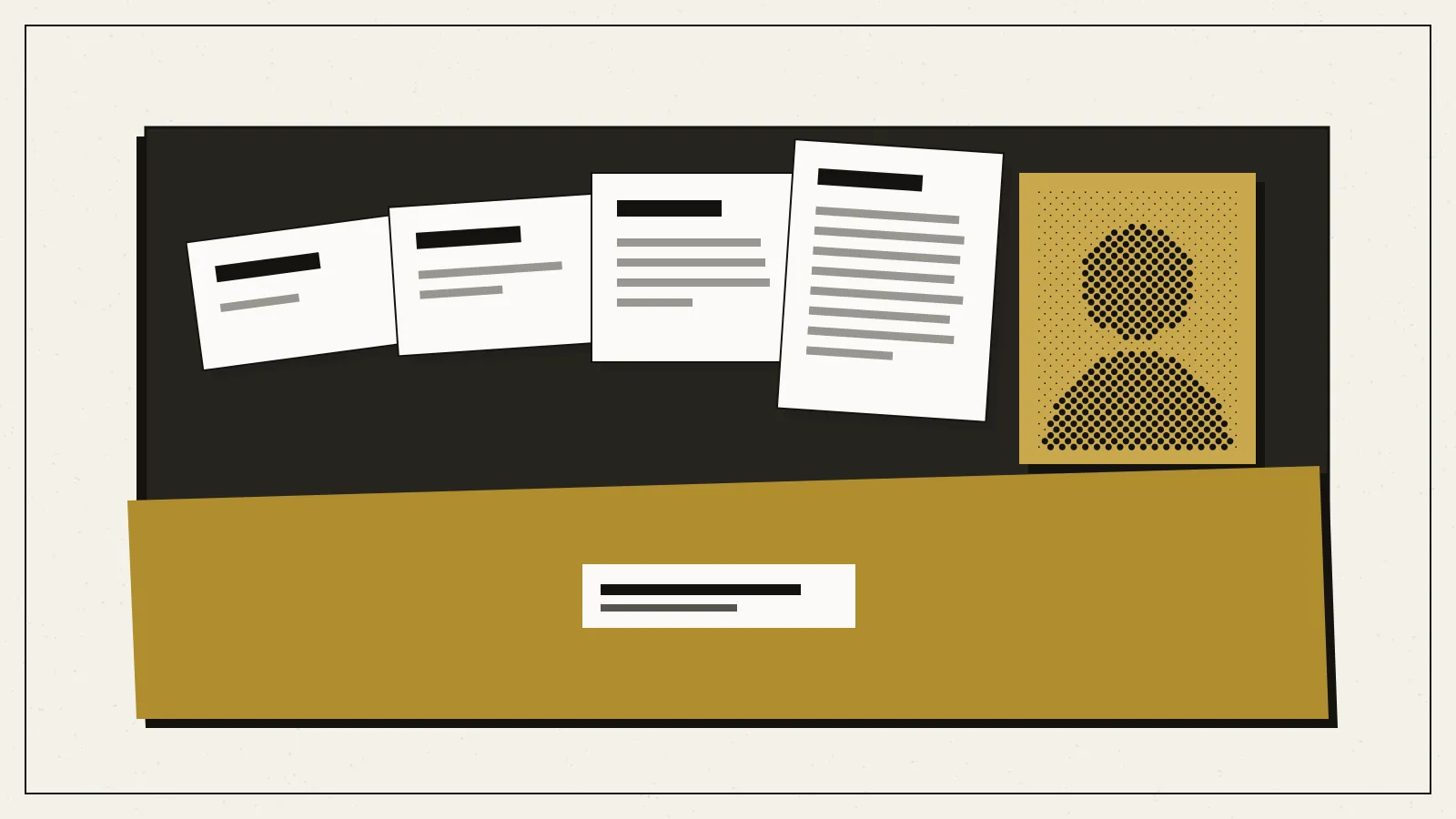
A press kit is the page a journalist opens when they have already decided you might be worth a story and want to check before they call. It is not a brochure. Its job is to answer the questions a reporter would otherwise have to email you about, in wording they can use, with proof they can check.
I keep one on this site. It is the most practical page I have, because it is built for people on a deadline. This is how I would build one for any founder, and what I would leave out.
What a press kit is for
Think about the moment it gets used. A reporter has your pitch, or your name came up in their research, and they have a few minutes. They need to know who you are in one sentence, whether the facts hold up, what you could talk about, and how to reach you. If they cannot find those things quickly, the easiest decision is to move on.
So every element of a good kit answers one of four questions. Who is this? Is it true? What is the story? How do I get them?
The one line description
Start with a single sentence that says what you do, for whom, and since when. Plain words, no adjectives that need defending. This is the sentence most likely to be quoted directly, so write it the way you would want to read it in print.
If you cannot write it, the problem is not the press kit. It is positioning, and it will show up in every interview until you fix it.
Bios at several lengths
Different formats need different lengths: a caption, a panel introduction, a podcast intro, a magazine sidebar. My kit carries approved bios at 25, 50, 100 and 200 words, and asks that they be used verbatim.
Two rules make this work. First, every length must agree with every other length. The 25 word version is the 200 word version with detail removed, never a different story. Second, every fact in the longest version must be something you can document. Length is where inflation creeps in, because there is room for it.
Credentials with a source next to each one
This is the section most kits get wrong, and the one that matters most.
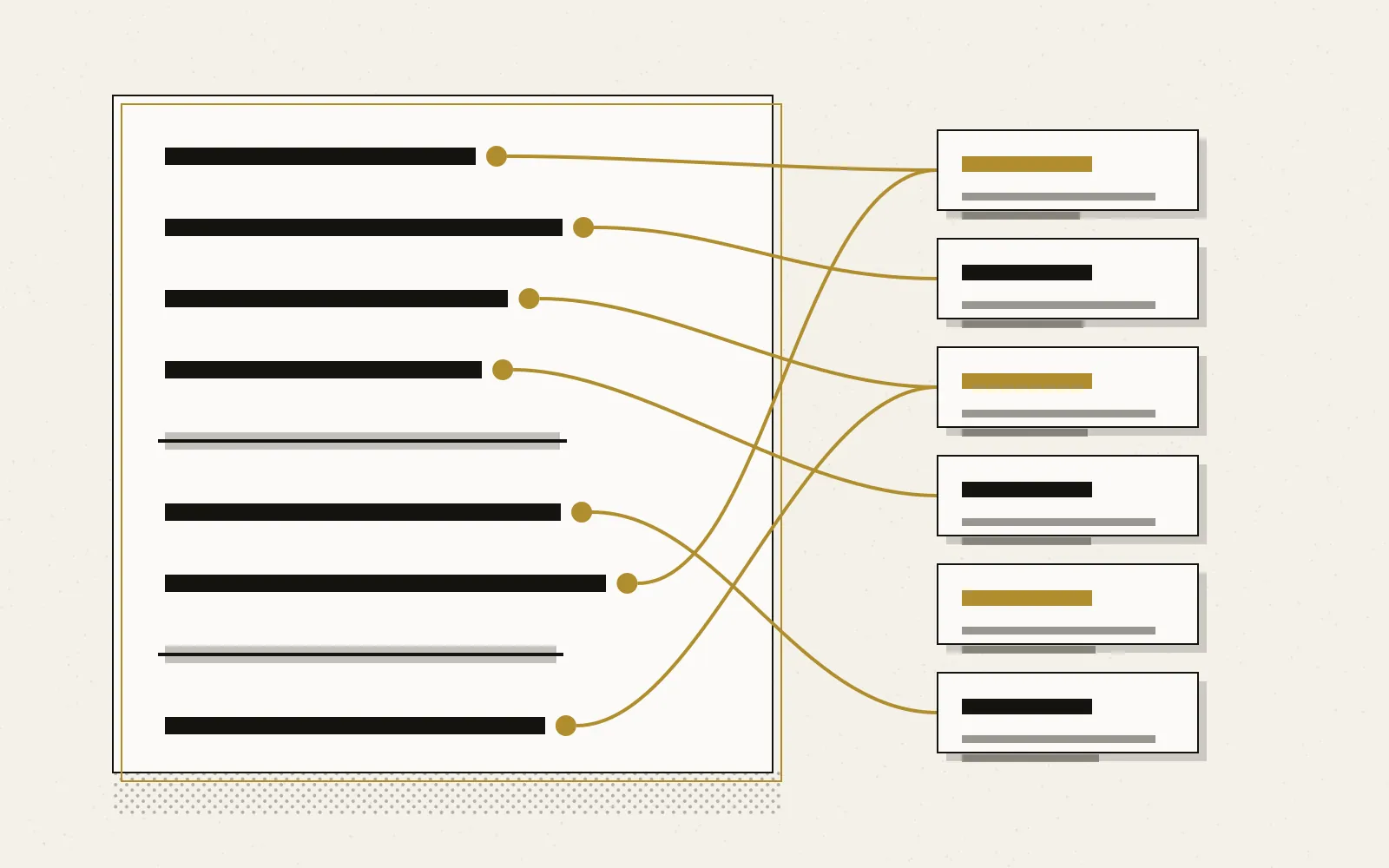
List your credentials, and next to each one, link to an independent source a stranger can open. Not your own announcement. The list itself, the article, the official record. On my kit, each credential links to its evidence, and the list is generated from a single record in the site's code where any claim marked unverified can never reach the page.
That discipline sounds excessive until a fact checker or a Wikipedia editor starts pulling on your claims. Then it is the reason they stop. I explain why the weakest claim is the one that gets tested first in how to get on the Forbes 30 Under 30 list, and how paid recognition undermines real recognition in pay to play awards: how to spot them.
Interview angles
Journalists are not looking for a person. They are looking for a story, and a source who can carry it. Give them three to five specific angles you can speak to with authority, each with a one sentence summary.
The test for an angle is whether it would still be interesting if your name were removed. "I put up 250 billboards to change a federal calendar" is one of mine, about the National Arab American Heritage Month campaign. It works because the story stands up on its own and I happen to be the person who lived it.
Avoid angles that are really product descriptions. "Why our platform is changing the industry" is not an angle. It is an advertisement, and reporters can tell.
Photographs and visual assets
A current headshot at high resolution, in both landscape and portrait crops, with the photographer's credit if one is required. If you run a company, add a logo in a few formats and a small set of product or team images that work at a glance.
Keep them current. An old photograph that no longer looks like you creates a small, avoidable moment of doubt when you walk into a studio.
Selected coverage
Link to your strongest independent coverage, most credible first. A few excellent pieces beat a long list. Leave out anything you paid for, or label it plainly if you must include it. The distinction between staff reporting, contributor pieces and paid membership is worth understanding before you list anything with a famous logo, which I cover in how to get featured in Forbes.
A real contact
A named person, an email that is monitored, and a realistic statement of availability. If you have a publicist, list them. If you do not, list yourself. A contact form that disappears into a queue is worse than no contact at all for someone on a same day deadline.
What to leave out
Superlatives. "Visionary," "industry leading," "renowned." They cannot be checked, so they read as noise.
Unsourced numbers. If a figure cannot be documented on request, it does not belong in a document built for verification.
Logo walls. A row of outlet logos without links invites the question of which ones were paid.
Anything you would be uncomfortable seeing quoted. Assume every line will be used exactly as written.
A ten minute audit of your own kit
If you already have a press kit, open it on your phone and read it as a stranger would.
Can you say what you do after the first sentence? If not, rewrite the one line description before anything else.
Do your bios agree with each other, and with your LinkedIn? Titles, dates and company names should match exactly. Small differences read as carelessness at best.
Does every credential link to something you do not control? Click each one. Remove or relabel anything that leads only to your own announcement, a dead page or a paid listing.
Are the photographs current and downloadable at full size? Try saving one.
Is there a named person to contact, and does that inbox get answered? Send yourself a test.
Many kits fail at least one of these. All of them can be fixed in an afternoon, and none of them require a designer.
Where it lives and how to keep it honest
Put it on your own domain at a short, obvious address, link it from your footer and your contact page, and make it a page rather than a downloadable file, so it can be read on a phone and kept up to date.
Then treat it as a living record. When something changes, update the kit first, and let your other profiles follow it. That consistency is what search engines and editors use to decide which version of you is correct, which I go into in Personal SEO: how to control what Google says about your name and entity SEO and knowledge panels.
A press kit will not get you coverage by itself. What it does is make sure that when a journalist is interested, nothing on your side gets in the way. If you would like a second pair of eyes on yours, or help building one, get in touch with me and the X Firm team. And when you are ready to go looking for coverage, the next step is how to pitch a journalist as a founder.